Friday, January 24, 2020

Ice & Cold Weather Safety Tips

Each year, many residents are injured during the winter months as a result of pedestrian accidents and from exposure in cold water incidents. People fall through the ice and pedestrians are struck walking in roadways because sidewalks
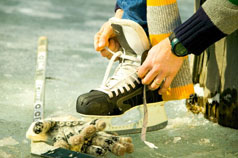
are snow covered.

Here are a few general guidelines for use by winter recreation enthusiasts to lessen their chances for an icy dip or worse. It's impossible to judge the strength of ice by its appearance, thickness, daily temperature, or snow cover alone. Ice strength is also dependent on water depth under the ice, the size of the water and water chemistry, currents, and distribution of the load on the ice.

THE ONLY "SAFE" ICE IS AT A SKATING ARENA!


WHAT DO YOU DO IF SOMEONE FALLS THROUGH THE ICE?

  • Act quickly and call 9-1-1 for help immediately. Make sure properly trained and equipped rescue personnel are alerted to respond.
  • DO NOT go out onto the ice. Many times would-be rescuers become victims themselves.
  • Reach, Throw, or Row. Extend a branch, pole or ladder to the victim. Throw them a buoyant object such as a life ring or float tied to a rope. If a boat is nearby row out to the victim or push it toward them.

HOW COLD IS COLD WATER?

  • Any water that is cooler than normal body temperature (98.6 degrees F) is by definition "cold water"
  • Cold water drains away body heat 25 to 30 times faster than air!
  • The lower the temperature of the water, the faster the onset of hypothermia.

WHAT IS HYPOTHERMIA?

  • Hypothermia is the excessive lowering of body temperature. A drop n core temperature below 95 degrees F., causes shivering, confusion, loss of muscle strength, and if not treated and reversed leads to unconsciousness and death.
  • Safety experts estimate that half of all drowning victims die from the fatal effects of hypothermia and cold water, not the fatal effects from water filled lungs.

PEDESTRIAN SAFETY

  • Slippery driveways and sidewalks can be particularly hazardous in the winter. Keep them well shoveled, and apply materials such as rock salt or sand to improve traction.
  • Be especially careful crossing the street and wear appropriate shoes and brightly colored (not white) clothing while walking in snowy conditions.
  • Use reflective clothing or stickers for maximum protection, especially at dawn and dusk.

Wednesday, December 11, 2019

Tis the season to be … SAFE! Deck the Halls with Safety


In the hustle and bustle of the holiday season, it may be tempting to take a few short cuts. The Asbury Park Fire Department asks that you make sure that safety isn’t one of them!   

Christmas trees require special attention. When selecting a tree, freshness is important. Check the needles to make sure they are green and difficult to pull back from the branches. If the tree has been freshly cut, the needles should not break. Tap the tree on the ground several times and notice if any needles fall off. If they do, the tree is probably dried out and could be a fire hazard.  Water your tree daily and do not place the tree close to a heat source, including a fireplace, radiator, space heater or heat vent. Make sure your tree is in a sturdy holder and can't be knocked over by pets or children.
Using extension cords? Overloaded extension cords and outlets can present a serious fire safety hazard. Make sure that the extension cord is suitable for the electrical “load” needed. Do not place cords under furniture or rugs and never plug two extension cords together to increase the total length. Demanding too much power from an extension cord risks overheating and fire. Be sure to read all packaging and instructions carefully when purchasing an extension cord and ensure it is UL listed.
Holiday lights. Indoors or out, only use lights that have been tested by an approved testing laboratory for safety such as UL. All lights should be inspected for frayed wires, bare spots, broken or cracked sockets or excessive wear before plugging them in and discard any damaged sets of lights. Avoid stringing more than three light 
strands together.

Firing up the fireplace?  Cool your ashes! Every year “cold” ashes result in house fires. Treat all ashes and coals as HOT ashes, even when you think they have had enough time to cool. Your garage, house or deck are unsafe locations for ashes to cool and have been the site of many recent and devastating fires both locally and nationally. Take extreme care when disposing ashes and follow these tips: 
  • Allow all ashes to cool in place for several days, when possible.
  • When it’s time to dispose of ashes, transfer them to a metal container and wet them down. Only
    use an approved metal ash bucket that has a tight fitting metal lid.
  • Store the container outside, away from structures, decks, fences, wood piles or other combustible materials. 
  • Never use a vacuum cleaner to pick up ashes and don’t dispose of ashes outside on a windy day.
  • The wind can whip up what may have seemed like cool embers, making them fiery hot, and igniting nearby combustibles. 

Candle fires peak during the holiday season. Most holiday candle fires occur when people leave burning candles unattended or place candles too close to holiday decorations. Keep candles in sight, in a secure holder and on a safe surface away from children and pets. Consider using flameless, battery-operated candles making them much safer.
Give space heaters space and ensure at least a 3-foot clearance from anything that can burn. Do not overload the electrical circuit or use extension cords with space heaters. Always stay in the room while a space heater is operating and turn it off when leaving the room or going to sleep. Follow all manufacturer recommendations and make sure your space heater meets all safety standards.


Cooking is a top cause of holiday fires. Be alert, focused and stay in the kitchen when cooking. Keep things that can catch fire, such as oven mitts, wooden utensils, food wrappers and towels away from the cooking area. Make sure kids and pets stay at least three feet away from the stove and oven, hot food, and liquids to avoid serious burns.
Disposing of your tree – never put tree branches or needles in a fireplace or wood-burning stove. When the tree becomes dry, discard it promptly. The best way to dispose of your tree is by having the County’s recycling service pick it up on the designated day(s).
Do you hear what I hear? Having working smoke alarms DOUBLE your chances of surviving a fire however smoke alarms do not last forever. If your alarms are 10 years old or older, they need to be replaced with new alarms. Bottom line: don't wait for a fire to test your smoke alarm.


Tuesday, November 19, 2019

Thanksgiving Fire Safety


Top 10 safety tips
  • Stay in the kitchen when you are cooking on the stove top so you can keep an eye on the food.
  • Stay in the home when cooking your turkey, and check on it frequently.
  • Keep children away from the stove. The stove will be hot and kids should stay three feet away.
  • Make sure kids stay away from hot food and liquids. The steam or splash from vegetables, gravy or coffee could cause serious burns.
  • Keep knives out of the reach of children.
  • Be sure electric cords from an electric knife, coffee maker, plate warmer or mixer are not dangling off the counter within easy reach of a child.
  • Keep matches and utility lighters out of the reach of children — up high in a locked cabinet.
  • Never leave children alone in room with a lit candle.
  • Keep the floor clear so you don’t trip over kids, toys, pocketbooks or bags.
  • Make sure your smoke alarms are working. Test them by pushing the test button.
Thanksgiving fire facts
  • Thanksgiving is the peak day for home cooking fires, followed by Christmas Day, Christmas Eve, and the day before Thanksgiving.
  • In 2017, U.S. fire departments responded to an estimated 1,600 home cooking fires on Thanksgiving, the peak day for such fires.
  • Unattended cooking was by far the leading contributing factor in cooking fires and fire deaths.
  • Cooking equipment was involved in almost half of all reported home fires and home fire injuries, and it is the second leading cause of home fire deaths.  
Turkey Fryer Safety Video:


Turkey Fryer Safety Video with William Shatner:


More NFPA Thanksgiving-related information
For more fire safety information you can contact the Asbruy Park Fire Department at 732-774-7400 or by email at Fire@CityofAsbruyPark.com

Friday, October 18, 2019

OCTOBER IS FIRE PREVENTION MONTH!

October is Fire Prevention month thorough the U.S. and hopefully you took some time this month for some fire prevention activity on the job or at home.
  • Did you participate in a fire or emergency evacuation at your building or at home?
  • Did you visit the local Fire Department to see a fire prevention demonstration or did the fire department visit your work place?
These are simple, common activities people take to keep "life safety" an important part of our daily activities in the workplace. Knowing what to do when an emergency occurs can save your life and the lives of your co-workers.
  • Do you know the location of the nearest fire extinguisher in your work area and how to use one, should you decide to use it?
    • Remember P-A-S-S: Pull the pin, Aim at the base of the fire, Squeeze the handle, Sweep back and forth to cover the burning material.
  • Get involved!
    • Look around your workplace to ensure you know a primary and secondary way out in the event of an emergency.
    • Actively participate in any emergency drills. Know the correct emergency response procedures and where to meet, an be aware to assist a co-worker who may need additional assistance due to a disability.
And, when you're home:
  • Ensure you have smoke detectors that operate in your home in compliance with your local fire ordinances.
  • Have a charged and maintained fore extinguisher near cooking areas and home workshops.
  • As with your workplace, ensure you have an accessible emergency egress and practice an emergency exit for yourself and anyone in your home.
  • Never leave an unattended candle in any room!
If you need assistance with this topic or any workplace safety matter, please contact Fire Official Garrett Giberson of the Asbury Park Fire Department at 732-774-7400.
 
 PREPARE AND PREVENT, DON’T MISS AND SLIP. SAFETY WON’T MAKE YOU SORRY. SAFETY
FIRST. BE PROACTIVE IN 2019!
 

Thursday, October 10, 2019

Wood Stove and Fireplaces

It is that time of year again!  Colder temps have us all looking to our home heating systems which, a good number of times, means wood stoves and fireplaces.  Careful attention to safety can minimize fire hazards.

Fireplace
To use them safely:
  • Be sure the fireplace or stove is installed properly. Wood stoves should have adequate clearance (36 inches) from combustible surfaces and proper floor support and protection.
  • Wood stoves should be of good quality, solid construction and design, and should be UL listed.
  • Have the chimney inspected annually and cleaned if necessary, especially if it has not been used for some time.
  • Do not use flammable liquids to start or accelerate any fire.
  • Keep a glass or metal screen in front of the fireplace opening, to prevent embers or sparks from escaping, unwanted material from going in, and to help prevent the possibility of burns.
  • The stove should be burned hot twice a day for 15-30 minutes to reduce the amount of creosote buildup.
  • Don't use excessive amounts of paper to build roaring fires in fireplaces. It is possible to ignite creosote in the chimney by overbuilding the fire.
  • Never burn charcoal indoors. Burning charcoal can give off lethal amounts of carbon monoxide.
  • Keep flammable materials away from your fireplace mantel. A spark from the fireplace could easily ignite theses materials.
  • Before you go to sleep, be sure your fireplace fire is out. NEVER close your damper with hot ashes in the fireplace. A closed damper will help the fire to heat up again and will force toxic carbon monoxide into the house.
  • If synthetic logs are used, follow the directions on the package. NEVER break a synthetic log apart to quicken the fire or use more than one log at a time. They often burn unevenly, releasing higher levels of carbon monoxide.
  • Never discard hot ashes inside or near the home. Place them in a metal container outside and well away from the house.

Thursday, October 3, 2019

NFPA Announces Theme for Fire Prevention Week

The National Fire Protection Association (NFPA) has announced “Not Every Hero Wears a Cape. Plan and Practice Your Escape!” as the theme for Fire Prevention Week.
Nfpa Hero
The National Fire Protection Association (NFPA) has announced “Not Every Hero Wears a Cape. Plan and Practice Your Escape!” as the theme for Fire Prevention Week, October 6-12, 2019. This year’s campaign recognizes the everyday people who motivate their households to develop and practice a home fire escape plan; these seemingly basic behaviors can have life-saving impact.
“This year’s campaign works to celebrate people of all ages who learn about home fire escape planning and practice, bring that information home, and spur their families to action,” said Lorraine Carli, vice president of Outreach and Advocacy at NFPA. “From young students who learn about the campaign at school to parents who attend a community event like a fire station open house - all of them truly are heroes because they’re taking steps to make their households much, much safer from fire.”
“Not Every Hero Wears a Cape. Plan and Practice Your Escape!” also focuses on what a home escape plan entails and the value of practicing it. These messages are more important than ever, particularly because today’s homes burn faster than ever. Carli notes that synthetic fibers used in modern home furnishings, along with the fact that newer homes tend to be built with more open spaces and unprotected lightweight construction, are contributing factors to the increased burn rate.
“People tend to underestimate their risk to fire, particularly at home. That over-confidence lends itself to a complacency toward home escape planning and practice,” said Carli. “But in a fire situation, we’ve seen time and again that advance planning can make a potentially life-saving difference.”
A home escape plan includes working smoke alarms on every level of the home, in every bedroom, and near all sleeping areas. It also includes two ways out of every room, usually a door and a window, with a clear path to an outside meeting place (like a tree, light pole or mailbox) that’s a safe distance from the home. Home escape plans should be practiced twice a year by all members of the household.
For more information about Fire Prevention Week and “Not Every Hero Wears a Cape. Plan and Practice Your Escape!,” along with a wealth of resources to help promote the campaign locally, visit fpw.org.
About Fire Prevention Week
NFPA has been the official sponsor of Fire Prevention Week since 1922. According to the National Archives and Records Administration's Library Information Center, Fire Prevention Week is the longest running public health and safety observance on record. The President of the United States has signed a proclamation declaring a national observance during that week every year since 1925. Visit www.firepreventionweek.org for more safety information.
About the National Fire Protection Association (NFPA) Founded in 1896, NFPA is a global, nonprofit organization devoted to eliminating death, injury, property and economic loss due to fire, electrical and related hazards. The association delivers information and knowledge through more than 300 consensus codes and standards, research, training, education, outreach and advocacy; and by partnering with others who share an interest in furthering the NFPA mission. For more information visit www.nfpa.org. All NFPA codes and standards can be viewed online for free at www.nfpa.org/freeaccess.  

Thursday, September 26, 2019

Don't Wait. Communicate. Make Your Emergency Plan Today.

Just a reminder that September is National Preparedness Month.  This years theme is: Don't Wait. Communicate. Make Your Emergency Plan Today.

Please take a minute to watch the powerful video below from FEMA.  Then make time to sit down with your loved ones to talk about (and develop a plan) how to prepare for a variety of emergencies that could occur right here in Asbury Park.